
The Central Coast Research & Innovation Centre (CCRI) brings together researchers, health services, community and other partners to support research and innovation that responds to priorities on the Central Coast.
The CCRI Collaboration Grants are one way we are supporting these connections to develop into collaborative research projects.
This grant offers funding of up to $15,000 per project to support collaboration between the University of Newcastle and Central Coast Local Health District (CCLHD). Funding can be used to develop, test or strengthen research that addresses a Central Coast health or wellbeing priority and has potential to progress beyond the funded period.
What the funding can support
The Collaboration Grants are intended to help collaborative research projects get started or progress to their next stage.
- pilot or feasibility research
- early evidence-building, mapping or needs analysis
- co-design and community engagement
- development or testing of a model, pathway, tool, resource, service, intervention or approach
- evaluation activities
- data, statistical, transcription or analysis support
- research or project support staff time directly attributable to the project
- consumer, carer or lived experience participation
- project materials
- software or licences directly required for the project
- partner costs directly related to project delivery
Projects should deliver a clear output within the funded period and identify a next step beyond the grant.
Funding cannot be used for teaching buy-out, equipment, conference travel or staffing costs that are not specifically attributable to the funded project.
CCRI focus themes
CCRI works across four focus themes, providing a focus for collaboration while allowing projects to connect with one or more areas or address other health and wellbeing priorities relevant to the Central Coast.
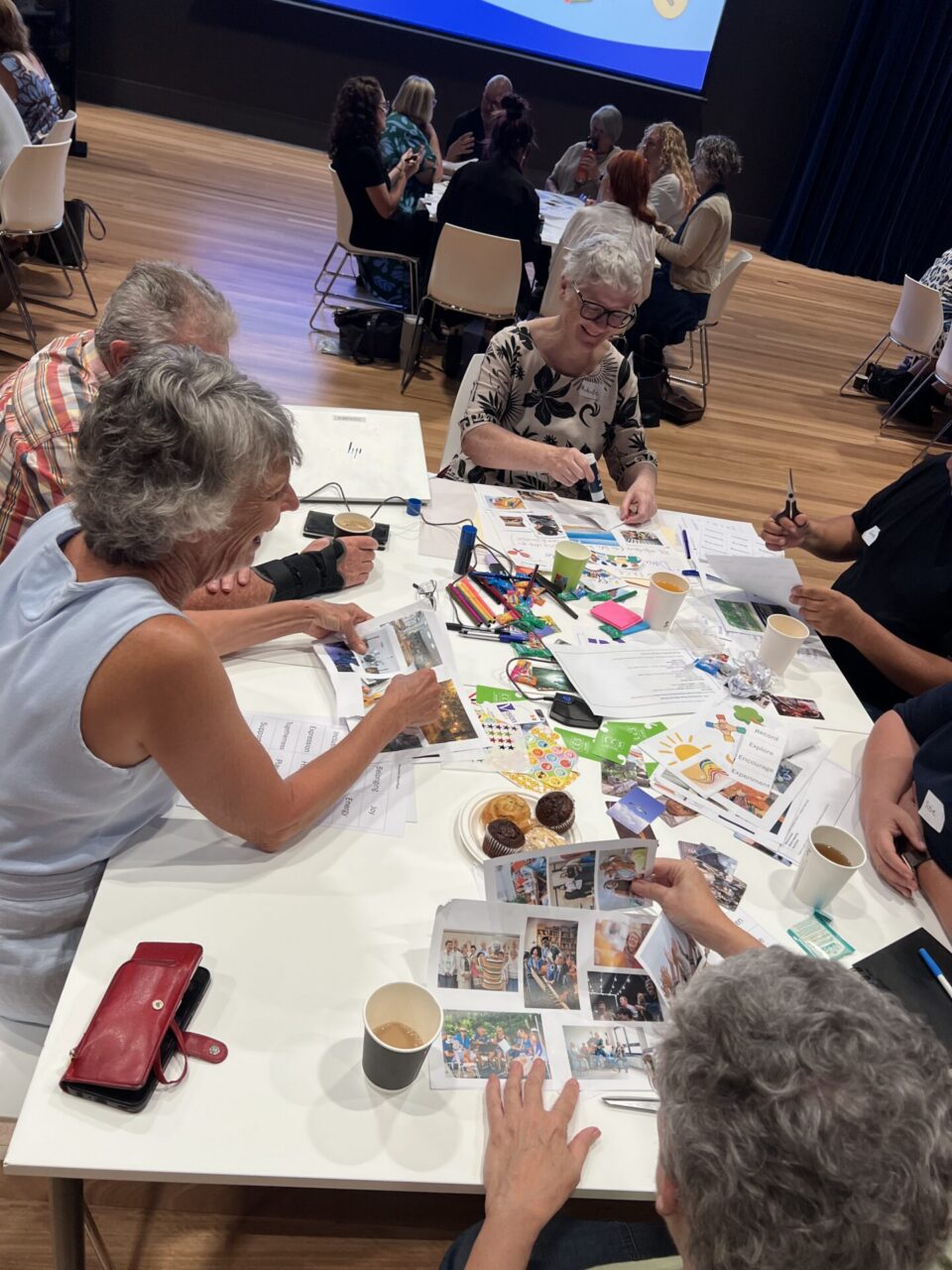
In 2026, CCRI brought together researchers, clinicians, community organisations, services and other partners through a series of Deep Dive workshops exploring priorities, gaps and opportunities across these areas.
The workshop reports capture the insights and opportunities identified through the Deep Dives and are available as a resource for anyone developing an application.
Workshop participation is not required to apply.
Who can apply
Each application must involve active collaboration between the University of Newcastle and CCLHD.
The grants are intended for teams with an idea, an existing area of work or a local problem they want to explore further, where grant funding could help move the work forward. This might include testing an approach, building early evidence, involving community, bringing together the right expertise, or strengthening a project for its next stage.
We are particularly interested in projects that bring together local knowledge, research capability and service experience around issues that matter on the Central Coast.
Collaborators from both organisations should have a substantive role in shaping and/or delivering the project, with their respective contributions described in the application.
The primary project contact may be from either organisation. A University of Newcastle academic must be nominated as the formal grant holder for administration of the funding.
For the University of Newcastle grant holder:
- academic staff, including conjoint academics, are eligible
- HDR students and professional staff are not eligible to be the grant holder
- the grant holder must have a reasonable expectation, at the time of application, of an appointment until 31 December 2027, with the likelihood of extension
- Head of School endorsement is required before submission
The CCLHD collaborator must have approval from their manager before submission.
A person may be the primary applicant/contact on one application and may participate as a collaborator on other applications.
Working with community and other partners
Collaboration with community and other relevant stakeholders is encouraged.
This might include consumers, carers, people with lived experience, community organisations, Aboriginal organisations, primary care, NGOs, industry, local government or other regional partners.
How applications will be assessed
Applications will be assessed against:
- Central Coast relevance and benefit
- Strength and authenticity of collaboration
- Alignment with CCRI focus themes and priorities
- Feasibility, budget and timeline
- Community, consumer, carer or service-user relevance
- Pathway to future funding, translation, implementation or impact
Full assessment criteria and weightings are included in the Funding Guidelines.
A small number of projects will be supported, based on the strength of applications and available funding.
Funding and key dates
Funding available: Up to $15,000 per project
Applications open: 31 August 2026
Applications close: 5:00 pm, Friday 30 October 2026
Applicants notified: Late 2026
Projects commence: Expected from early 2027
Project duration: Up to 12 months
Applicants may request less than $15,000.
All grant funds must be fully spent by 31 December 2027. Unspent funds cannot be carried forward into 2028.
How to apply
Before submitting an application, please review the CCRI Collaboration Grant Funding Guidelines.
You can also preview the application questions before starting your submission.
When you’re ready, complete and submit your application online through Microsoft Forms. Applications include a short project proposal and budget.
Frequently asked questions
Do I need to have attended a CCRI workshop to apply?
No. The Collaboration Grants are open to eligible applicants regardless of whether they participated in a CCRI workshop. The workshop reports are available as optional background.
Can I request less than $15,000?
Yes. Applicants should request the amount needed to deliver the proposed project, up to a maximum of $15,000.
Can I be involved in more than one application?
Yes. A person may be the primary applicant/contact on one application and may participate as a collaborator on other applications.
Can the funding support staff time?
Yes. Staff time may be included where it is directly attributable to delivery of the funded project. The funding is not intended to provide general salary support or meet staffing costs that are not specifically attributable to the project.
Can costs for community or other external partners be included?
Yes. Reasonable partner costs directly related to project delivery may be included in the project budget.
What if I have an idea but need a University of Newcastle or CCLHD collaborator?
CCRI can help connect people across the University, CCLHD and the wider regional network. Contact CCRI to discuss the type of collaborator or expertise you are looking for.
When will applicants be advised of the outcome?
Applicants are expected to be advised of the outcome in late 2026.